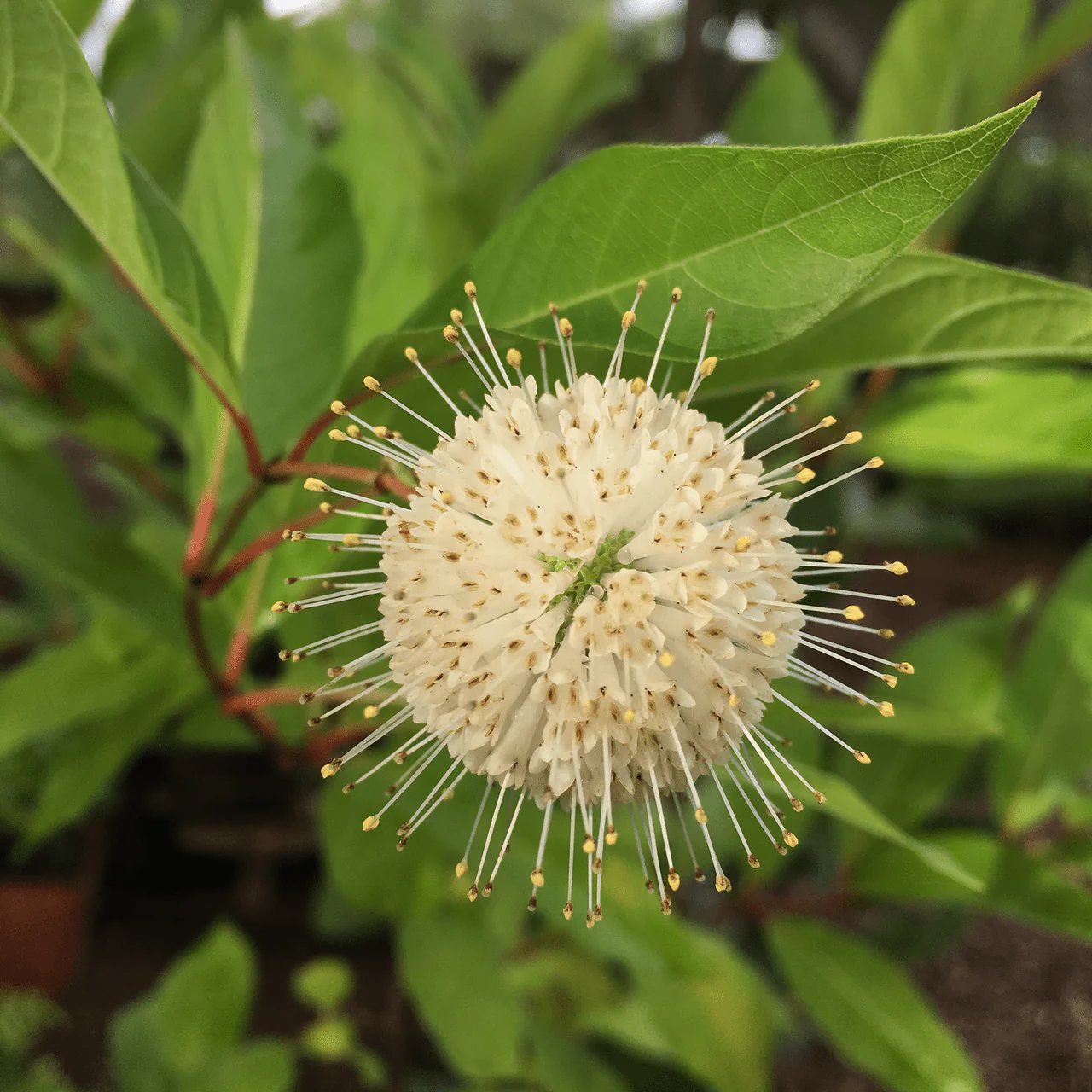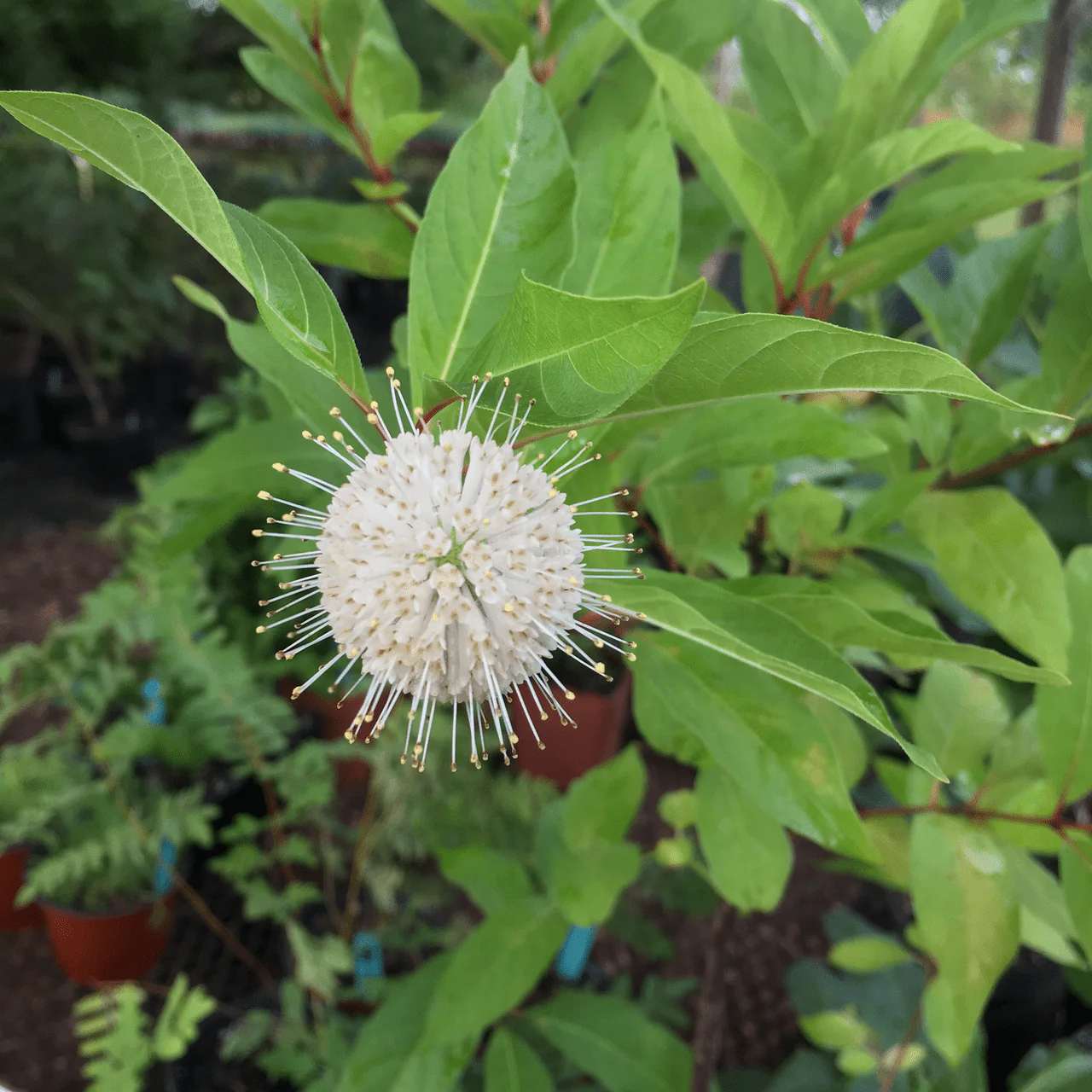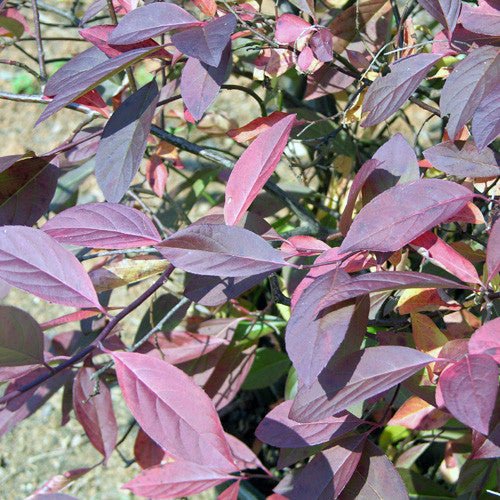
Virginia Sweetspire (Itea virginica)
Original: $34.95
-70%$34.95
$10.49The Story
Hardy, deciduous, North American shrub
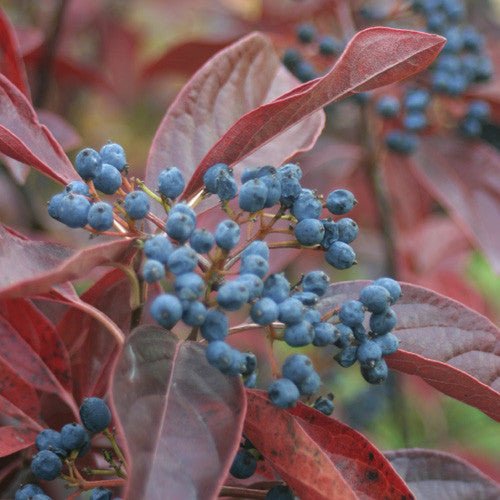
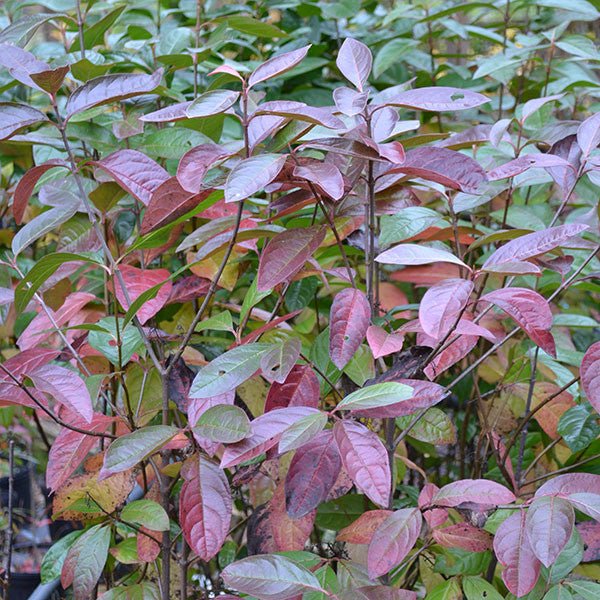
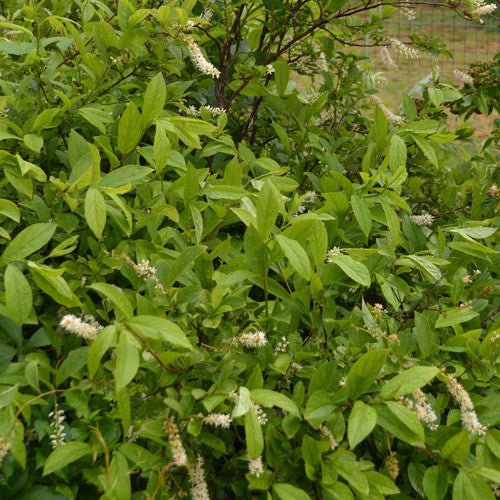
Description: Dense, arching, 6-inch spikes of fragrant, creamy white flowers in summer; beautiful mahogany to bright red-orange and purple fall color
Habit: Grows 4 feet tall and 5 feet wide; spreading
Culture: Prefers full sun to partial shade and fertile, moist but well-drained garden loam
Hardiness: Cold hardy to USDA Zone 5
Origin: North America
Attributes: Fall color, rain garden
Jefferson documented
This handsome North American species is native from New Jersey south to Florida and Louisiana. It was introduced into cultivation in 1744 and was listed in Philadelphia nurseryman John Bartram's catalogue of 1783. Three years later, Thomas Jefferson, who was living in Paris at the time, requested Itea from both John Bartram, Jr. and Richard Cary of Virginia. Jefferson also included Itea virginica in his book, Notes on the State of Virginia. Its outstanding fall color is its greatest attribute, and a cultivar, 'Henry's Garnet', received the Pennsylvania Horticultural Society's award of merit.
Details & Craftsmanship
Every detail has been carefully considered to bring you the perfect product.
Description
Hardy, deciduous, North American shrub
Description: Dense, arching, 6-inch spikes of fragrant, creamy white flowers in summer; beautiful mahogany to bright red-orange and purple fall color
Habit: Grows 4 feet tall and 5 feet wide; spreading
Culture: Prefers full sun to partial shade and fertile, moist but well-drained garden loam
Hardiness: Cold hardy to USDA Zone 5
Origin: North America
Attributes: Fall color, rain garden
Jefferson documented
This handsome North American species is native from New Jersey south to Florida and Louisiana. It was introduced into cultivation in 1744 and was listed in Philadelphia nurseryman John Bartram's catalogue of 1783. Three years later, Thomas Jefferson, who was living in Paris at the time, requested Itea from both John Bartram, Jr. and Richard Cary of Virginia. Jefferson also included Itea virginica in his book, Notes on the State of Virginia. Its outstanding fall color is its greatest attribute, and a cultivar, 'Henry's Garnet', received the Pennsylvania Horticultural Society's award of merit.